

Origins and Shared DNA Across the Franchise
The Cloverfield saga isn’t a traditional series. It began with a found-footage approach in the first movie—bulk, intimate, shaky—but strong in delivering that “you’re there” feel. Beyond this raw style, films like 10 Cloverfield Lane and The Cloverfield Paradox drop Easter eggs and hidden links that nudge viewers toward theorizing a larger, interconnected universe. It’s like stepping into a puzzle—every film stakes its own path, then beckons you to find the curve where they all meet.
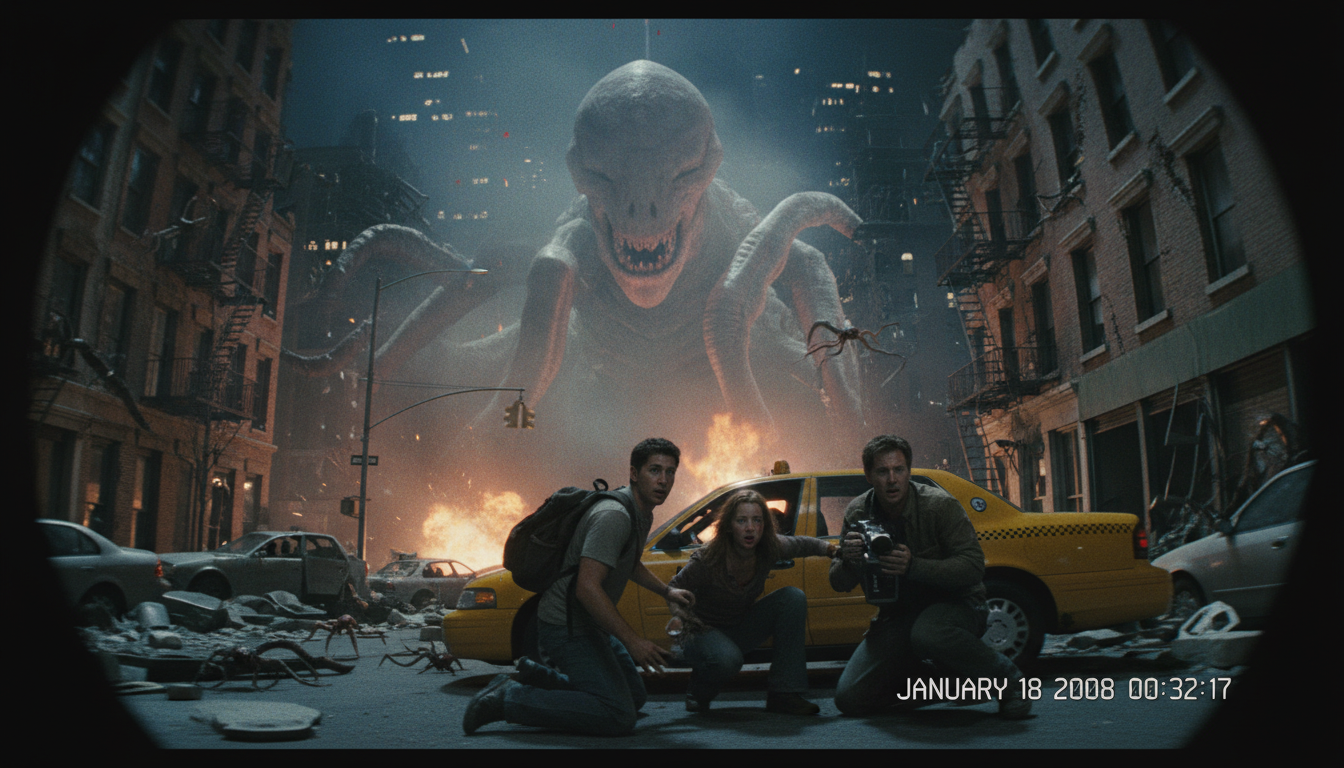
The first film thrusts you into chaos. A giant creature barrels into New York. Everything’s shot handheld, and you’re plunged into survival—not sci-fi spectacle, but raw human panic. It’s simple on the surface, but rich with subtext. Later entries invite you to pull threads: a hidden lab, a besieged bunker, an experimental satellite—all pointing to a shared mystery about what triggered these disasters.
Narrative Threads and Hidden Connections
10 Cloverfield Lane: What Lies Beneath the Silence
Shifting from shaky cams to claustrophobic tension, 10 Cloverfield Lane swaps monsters for misdirection—maybe. A tight narrative. A bunker. A man you might trust, or might just be dangerous. The twist? The world outside isn’t calm—it’s invaded. That sudden news broadcast glimpse—hinting at external threats—spins the thread that links it back to the first film’s wider chaos.
Here’s where the magic lies: it never outright says “Yes, we’re talking the same world.” But it plants the idea. You feel it in the design of the bunker, the isolated panic, in the reveal that something is very, very wrong outside.
The Cloverfield Paradox: Cosmic Collisions and Cause
Then comes The Cloverfield Paradox, set in deep space on a satellite run by scientists solving energy crises. With a scientific breakthrough. Then reality shatters. Alternate dimensions, creepy hallucinations, and—oh, hey—monsters appear seemingly out of nowhere.
That connection—an experiment gone sideways creates dimensional rifts. Maybe that’s how the Clover creatures slip through. Trippy, ambitious, and maybe overstuffed, but it leans into multiverse theory. It gives a scientific backdoor into why everything’s suddenly breaking at once: portals, physics gone haywire, side effects that ripple into Earth. If Paradox is right, we’re dealing with a multiverse of disaster possibilities.
A Multiverse, or a Mosaic?
It’s not concrete—no film says, “yep, that’s why.” Instead, we get smashed-together clues. A radio call, a satellite lab, freak accidents. Like a mosaic—each piece puzzling, telling something, but not the full picture. This kind of unpredictability keeps conversations alive. Fans connect dots, debate theories, comb through backgrounds for Easter eggs. That’s partly why the franchise endures.
It’s neat because the links feel real, not forced. You don’t get an overt crossover with a team shot or a villain rushing in. Instead, you sense resonance—an echo of fear, isolation, world-bending threats.
Industry Approach: Reverse Marketing & Viral Hype
Beyond the story, how Cloverfield was sold reflects its narrative strategy. The first film launched from the jumpscare mentality of low-key viral teasers. Posters didn’t show the monster. Trailers hid details. It was mystery marketing at its best. That same vibe follows in the other films—trailers that tease without spoiling. They even dropped Paradox as a surprise on a streaming platform, echoing the franchise’s chaotic essence.
This method made viewers feel like they stumbled onto secrets. That’s rare—and effective. It aligns with how good mysteries work: invite the audience to piece things together, and reward them with small reveals, not total clarity.
“The franchise taps into that primal fear of the unknown. It doesn’t show everything, which makes the reveal more terrifying.”
That kind of audience collaboration—viewers as detectives—gives the series staying power. It’s not just about the screen monster, but what lurks in shadows of your mind.
Looking Ahead: The Cloverfield Legacy
We’re already seeing whispers about new rounds—maybe another film, maybe a series. Whatever’s next, there’s a careful balance to strike. Lean too hard on connections, and it feels overthought. Drift too far, and the universe fractures. The ideal path: maintain the franchise’s playful tension, showcase new perspectives, and leave just enough breadcrumbs to keep speculation alive (without spelling everything out).
There’s also room for new formats—animated tie-ins, docu-style shorts, VR experiments. The foundation is there: cosmic thrill, nostalgic mystery, and audience curiosity. Show up with a fresh lens—new era, new stakes—but with the same DNA that keeps fans guessing.
Summary
Cloverfield: Unraveling the Mystery of the Monster Franchise shows that this is less about direct sequels, and more a thematic ride through fear, discovery, and subtle linking threads. From a shaky disaster in New York, to truth-hiding bunkers, to dimension-breaking satellites—each entry adds to the tapestry. The marketing mirrored that intrigue, and future installments can ride the same wave of ambiguity and care.
FAQs
What ties the Cloverfield films together?
They’re connected by shared themes—unseen threats, paranoia, and the use of cryptic clues like media broadcasts or scientific labs to hint at a bigger universe.
Is there a confirmed central storyline?
Not exactly. The franchise leans on implication. The films don’t spell out a single linear plot, but they overlap in tone, mystery, and recurring symbols like experiments and monster attacks.
Does The Cloverfield Paradox explain the monster attacks?
It suggests a high-tech experiment in deep space might have opened rifts—possible cause for creature appearances. But it doesn’t definitively answer the “why.”
Why does the franchise use surprise release tactics?
The marketing style plays into the narrative. Mystery and ambiguity are part of the experience—just like the story, the release strategy invites you in without revealing too much.
What might be next for Cloverfield?
Possibilities include new films, spin-offs, or even different media formats like streaming miniseries or immersive shorts. Expect the same tease: fresh settings, creeping dread, and just enough imply to inspire speculation.
That’s the heart of it—Cloverfield’s charm isn’t in neat answers. It’s in the shadows, the questions left hanging, and the fun of piecing together what might, maybe, connect it all.







Leave a comment